
Chuck Negron Bio, Age, Height, Wife, Family, Career,
Chuck Negron’s voice defined an era of American rock music, powering Three Dog Night to become one of the most successful bands of the late 1960s and early 1970s. From his soaring vocals on “Joy to the World” and “One” to his devastating descent into heroin addiction and remarkable 34-year recovery, Negron’s life embodied both the heights of musical achievement and the depths of personal destruction. His death on February 2, 2026, at age 83 marked the end of a journey that saw him transform from a chart-topping superstar living on Skid Row to a sober advocate who rebuilt his life, career, and relationships. His story stands as one of rock music’s most powerful testimonies to redemption and the enduring power of the human spirit.
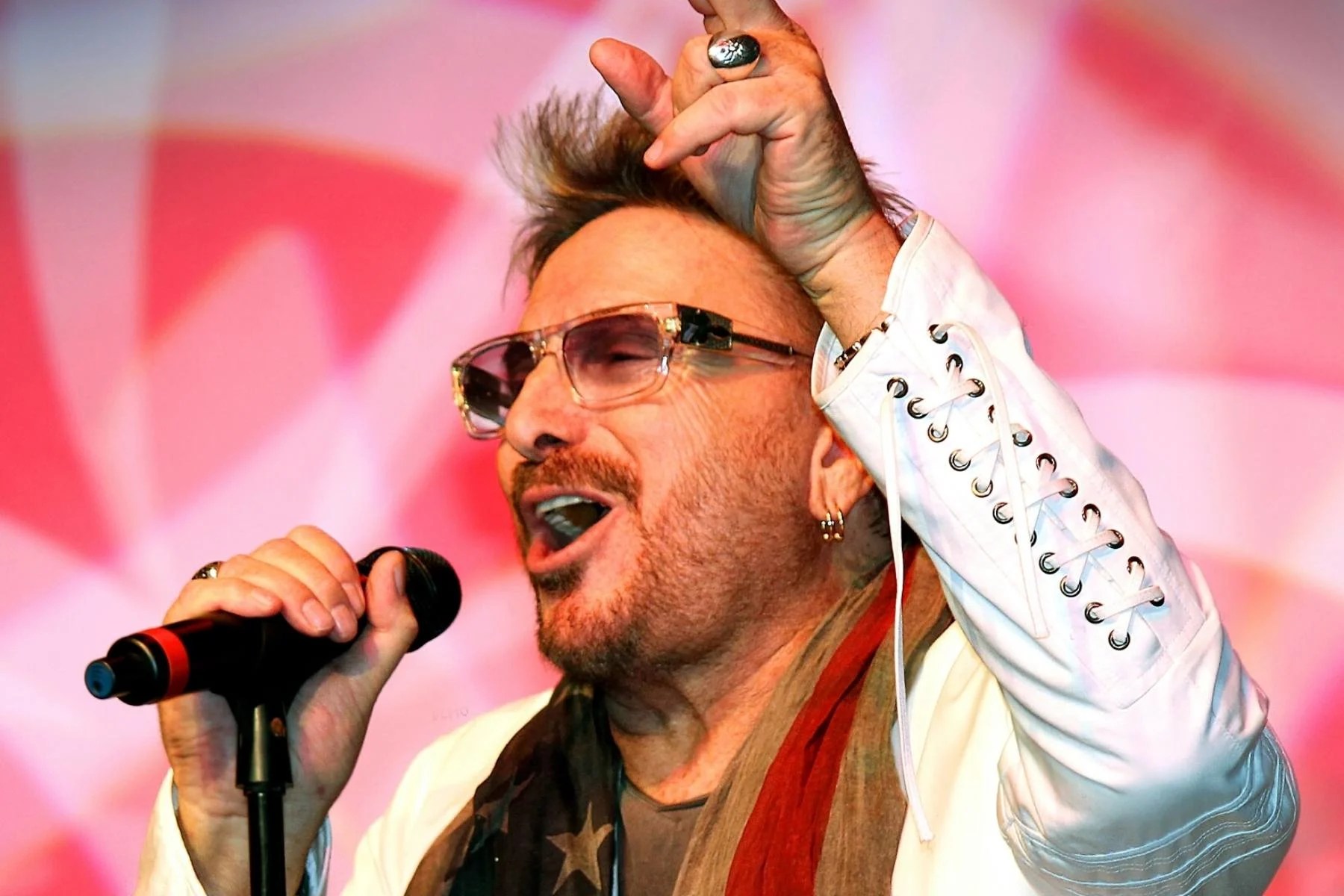
Quick Facts
| Full Name | Charles William Negron II |
| Nick Name | Chuck |
| Profession | Singer, Songwriter, Author, Addiction Recovery Advocate |
| Birth Date | June 8, 1942 |
| Death Date | February 2, 2026 (age 83) |
| Birth Place | Manhattan, New York City, USA |
| Death Place | Studio City, Los Angeles, California, USA |
| Nationality | American |
| Known For | Lead vocalist of Three Dog Night (“Joy to the World,” “One”) |
| Ethnicity | Puerto Rican (father), English/Irish (mother) |
| Zodiac Sign | Gemini |
| Height | 6 feet 2 inches (188 cm) |
| Weight | Approximately 180–200 lbs (later years, post-addiction) |
| Hair Color | Dark Brown (gray in later years) |
| Eye Color | Brown |
| Qualification | California State University, Los Angeles (attended, left for music) |
| Religion | Christianity (devout in recovery) |
| Marital Status | Married (4 times) |
| Final Spouse | Ami Albea Negron (married until his death) |
| Children | 5 (Shaunti, Charles “Chuckie” III, Charlotte, Annabelle, plus stepson Berry Oakley Jr.) |
| Parents | Charles Negron Sr. (nightclub singer), Elizabeth Rooke |
| Siblings | Nancy Negron Dean (twin sister, deceased), Rene “Jody” Negron (brother), Denise “Janey” Negron (sister) |
| Hobbies | Basketball, advocacy work, family time, performing |
| Years Active | 1957–2026 (69 years in music) |
| Net Worth | Estimated $5 million (at death) |
| Cause of Death | Complications from heart failure and COPD |
Early Life & Education
Childhood in the Bronx
Charles William Negron II was born on June 8, 1942, in Manhattan, New York City, and raised in The Bronx. His early childhood was marked by family disruption that would echo throughout his life.
Family Background:
- Father: Charles Negron Sr. – Puerto Rican nightclub singer
- Mother: Elizabeth Rooke – English/Irish descent
- Parents’ Divorce: When Chuck was 2 years old (1944)
- Twin Sister: Nancy Negron Dean (deceased before Chuck)
- After Divorce: Chuck and Nancy placed in daycare facility while mother worked
The daycare, despite the circumstances, provided unexpected amenities including a swimming pool and gymnasium. This environment would prove formative, as Negron discovered both his athletic and musical abilities there.
Musical Beginnings (Age 15)
By age 15, Negron had already:
- Recorded his first single
- Performed at the legendary Apollo Theater in Harlem with his doo-wop group The Rondells
- Developed a reputation as a vocal talent in the Bronx music scene
Doo-Wop Era: The Rondells performed in the classic street-corner harmony style that dominated 1950s urban America. These early experiences honed the four-octave vocal range that would later define his Three Dog Night performances.
Basketball Scholarship & College
Negron was a talented athlete who initially pursued sports over music:
Allan Hancock College (Santa Maria, California):
- Recruited for basketball scholarship
- Played as a capable guard/forward
California State University, Los Angeles:
- Recruited by legendary coach Bill Sharman (future Lakers coach and Hall of Famer)
- Continued basketball career while exploring Los Angeles music scene
The Crossroads: While at CSULA, Negron began recording singles:
- “Sharon Lee” (Marlinda Records)
- “I Dream of An Angel” (Heart Van label)
- Brief stint with Columbia Records in mid-1960s
In a pivotal decision, Negron left his promising basketball career to pursue music full-time—a choice that would lead to both unimaginable success and devastating destruction.
Career Journey
Three Dog Night Formation (1967)
The Meeting:
In 1967, singer Danny Hutton invited Negron to join him and Cory Wells to form a new vocal group. The three singers—each with distinct vocal styles—created a unique sound rooted in R&B, rock and roll, and urban doo-wop.
Band Name Origin: “Three Dog Night” comes from an Australian Aboriginal custom of sleeping with dogs on cold nights; a “three dog night” was the coldest night of the year.
The Classic Lineup:
- Vocal Trio: Danny Hutton, Cory Wells, Chuck Negron
- Guitar: Michael Allsup
- Keyboards: Jimmy Greenspoon
- Bass: Joe Schermie
- Drums: Floyd Sneed
The Golden Era (1969–1975)
Three Dog Night became one of the most successful American rock bands of the late 1960s and early 1970s:
Chart Achievements:
- 21 Billboard Top 40 hits (1969–1975)
- 18 consecutive Top 20 singles (record at the time)
- 7 gold albums
- 60+ million records sold
Chuck Negron’s Lead Vocals:
| Song | Year | Chart Position | Significance |
|---|---|---|---|
| “One” | 1969 | #5 | First million-seller; Harry Nilsson composition |
| “Easy to Be Hard” | 1969 | #4 | From rock musical Hair |
| “Joy to the World” | 1971 | #1 (6 weeks) | Signature hit; Hoyt Axton composition |
| “Old Fashioned Love Song” | 1971 | #4 | Paul Williams composition |
| “The Show Must Go On” | 1974 | #4 | Leo Sayer composition |
| “Mama Told Me (Not to Come)” | 1970 | #1 | Randy Newman composition |
| “Black and White” | 1972 | #1 | Pete Seeger composition |
Cultural Impact:
- December 1972: Hosted and performed on inaugural Dick Clark’s New Year’s Rockin’ Eve
- Grammy nominations: “Joy to the World” received two Grammy nominations
- Touring: Sold-out concerts worldwide; massive arena shows
The Decline & Breakup (1975–1976)
By 1975, internal strife and declining sales fractured the band:
- Last Top 40 hit: “‘Til the World Ends” (1975)
- Band disbanded: 1976
- Negron’s condition: Severe heroin addiction had taken hold
The Addiction Spiral:
- Cost: $2,000-per-day heroin habit at its peak
- Weight loss: Dropped to 126 pounds (from 200+)
- Financial ruin: Spent entire fortune on drugs
- Homelessness: Ended up living in cardboard box on Los Angeles’ Skid Row
- Rehab attempts: 37 different rehabilitation facilities over 13 years
1975 Arrest: British music magazine NME reported Negron arrested for cocaine possession in Kentucky (July 1975)
Brief Reunion & Firing (1981–1985)
Three Dog Night reunited in 1981, but Negron’s addiction continued:
- 1985: Fired from the band due to recurring drug issues
- Final straw: Bandmates could no longer tolerate his behavior
- Estrangement: Began decades-long rift with Danny Hutton
The Recovery (1991)
September 17, 1991: After 37 rehab attempts, Negron finally achieved sobriety at Cri-Help, a tough Los Angeles facility:
- The turning point: Friend Mike Finnigan advised him to pray and accept God’s will
- The moment: Fell asleep during horrific withdrawal; woke with obsession gone
- The faith: “I knew God had helped me. From that time on my faith grew stronger and stronger.”
Celebrity encounters at Cri-Help:
- Sly Stone
- Robert Downey Jr.
- Nearly met Kurt Cobain (Cobain left facility before meeting; died by suicide shortly after)
Solo Career & Advocacy (1995–2026)
Solo Albums:
| Album | Year | Label | Notes |
|---|---|---|---|
| Am I Still in Your Heart? | 1995 | — | First post-recovery album |
| Joy to the World | 1996 | — | Christmas album |
| Long Road Back | 1999 | — | Accompanied autobiography |
| Chuck Negron – Live in Concert | 2001 | Sindrome Records | Double CD; recorded at SMU |
| Live and In Concert | 2005 | — | — |
| The Chuck Negron Story | 2005 | — | — |
| The Best of Chuck Negron | 2013 | — | Compilation |
| Negron Generations | 2017 | — | Final studio album |
Autobiography:
- Three Dog Nightmare (1999) – Revised 2008, updated 2018
- Content: Brutally honest account of addiction, recovery, and redemption
- Reception: Praised for unflinching honesty and inspirational message
Advocacy Work:
- Cri-Help: Active supporter and speaker
- MusiCares: Musicians’ assistance program
- Musicians Assistance Program (MAP): Recovery advocacy
- Speaking engagements: Shared story at rehab facilities, schools, conferences
Touring:
- Continued performing with “Happy Together” touring revue (1960s pop stars)
- Toured despite chronic COPD (diagnosed 1990s; managed for 30+ years)
- COVID-19 impact: Permanently sidelined from touring (2020); health made it “impossibly unsafe”
The Reconciliation (2025)
After decades of estrangement, Negron and Danny Hutton reconciled:
- Five months before death: Hutton visited Negron at his home
- The meeting: “We hugged, cried, reminisced, and shared many stories”
- Hutton’s reflection: “We realized how much time had been lost by not being in each other’s lives. It was a beautiful and deeply meaningful reunion.”
Personal Life
Marriages (4)
1. Paula Louise Ann Goetten (March 8, 1970 – February 1973)
- Child: Shaunti Negron-Levick (daughter)
- Duration: 3 years
- End: Divorce
2. Julia Densmore (May 9, 1976 – 1985)
- Child: Charles “Chuckie” Negron III (son)
- Duration: 9 years (12 years per some sources)
- Significance: Both were heroin addicts; used drugs together throughout marriage
- Notable: Snorted heroin in delivery room before Chuckie’s birth
- Julia’s background: Previously married to John Densmore (The Doors drummer); had son Berry Oakley Jr. with Berry Oakley (Allman Brothers bassist, died 1972 motorcycle accident)
- Current status: Julia became addiction counselor and harm reduction advocate; testified before Congress on opioid epidemic
3. Robin Silna (1993 – unknown)
- Child: Charlotte Rose Negron (born 1993)
- Duration: Married 1993; later divorced
- Note: IMDb lists marriage as 1993–present, but other sources indicate divorce before final marriage
4. Ami Albea Negron (final marriage – until his death)
- Status: Married until February 2, 2026
- Significance: Provided stability in later years; by his side at death
- Children together: Annabelle Negron
Children & Family
Biological Children (5):
- Shaunti Negron-Levick (daughter, with Paula)
- Charles “Chuckie” Negron III (son, with Julia)
- Charlotte Rose Negron (daughter, with Robin)
- Annabelle Negron (daughter, with Ami)
- Unnamed child (reports indicate 5 total children)
Stepchildren:
- Berry Oakley Jr. (stepson via Julia Densmore) – son of Allman Brothers bassist Berry Oakley; Negron helped raise him after Oakley’s 1972 death
Extended Family:
- 9 grandchildren
- 5 nieces, 2 nephews
Siblings
- Nancy Negron Dean (twin sister) – predeceased Chuck
- Rene “Jody” Negron (brother) – survived Chuck
- Denise “Janey” Negron (sister) – survived Chuck
Health Struggles & Death
Chronic COPD
- Diagnosed: 1990s
- Duration: 30+ years
- Impact: Required oxygen support; limited mobility
- Management: Continued performing despite condition
Heart Failure
- Developed: Final months of life (late 2025/early 2026)
- Severity: Required home care
COVID-19 Impact
- 2020: Pandemic permanently ended touring career
- Risk: COPD made COVID-19 potentially fatal; necessary isolation
Death
February 2, 2026:
- Location: Home in Studio City, Los Angeles
- Cause: Complications from heart failure and chronic obstructive pulmonary disease (COPD)
- Surrounded by: Family, including wife Ami
- Age: 83
Official Statement:
“Chuck Negron passed away peacefully at his home… surrounded by his family.”
Career Statistics & Achievements
Three Dog Night Records
| Category | Statistic |
|---|---|
| Total Albums Sold | 60+ million |
| Billboard Top 40 Hits | 21 |
| Consecutive Top 20 Singles | 18 (record at the time) |
| #1 Singles | 3 (“Joy to the World,” “Mama Told Me,” “Black and White”) |
| Gold Albums | 7 |
| Grammy Nominations | 2 (“Joy to the World”) |
Solo Discography (8 Albums)
- Am I Still in Your Heart? (1995)
- Joy to the World (1996) – Christmas
- Long Road Back (1999)
- Chuck Negron – Live in Concert (2001)
- Live and In Concert (2005)
- The Chuck Negron Story (2005)
- The Best of Chuck Negron (2013)
- Negron Generations (2017)
Literary Work
- Three Dog Nightmare (1999, revised 2008, updated 2018)
- Autobiography detailing addiction and recovery
- Considered one of rock’s most honest addiction memoirs
Legacy & Impact
Musical Legacy
- Vocal Style: Four-octave range; emotive, soaring tenor
- Influence: Inspired generations of rock vocalists
- Three Dog Night: Inducted into various halls of fame; catalog continues to generate royalties
Recovery Advocacy
- 34+ years sober: From September 17, 1991, until death
- Public speaking: Shared story at hundreds of venues
- Lives saved: Unknown number of addicts inspired by his recovery story
- Cri-Help: Continued supporting the facility that saved him
Cultural Significance
- Redemption arc: One of rock music’s most dramatic comeback stories
- Honesty: Brutal transparency about addiction’s horrors
- Faith: Open about God’s role in his recovery
Net Worth & Financial Journey
Financial Trajectory
| Era | Financial Status |
|---|---|
| Peak Three Dog Night (1970s) | Multi-millionaire; massive fortune |
| Addiction years (1976–1991) | Lost entire fortune; homeless on Skid Row |
| Recovery & Rebuilding (1991–2026) | Steady income from royalties, touring, book sales |
Net Worth at Death
- Estimated: $5 million (per Celebrity Net Worth, Infoaxis)
- Sources:
- Three Dog Night royalties (ongoing)
- Solo album sales
- Book sales (Three Dog Nightmare)
- Touring income (until 2020)
- Licensing of classic hits
Financial Recovery
Negron’s ability to rebuild from homelessness to $5 million net worth demonstrates:
- Residual power of hit song catalog
- Consistent touring work ethic
- Book and speaking revenue
- Financial discipline in sobriety
Physical Statistics
| Attribute | Measurement |
|---|---|
| Height | 6 feet 2 inches (188 cm) |
| Weight (peak) | 200+ lbs |
| Weight (addiction) | 126 lbs (at lowest) |
| Weight (recovery) | 180–200 lbs |
| Hair | Dark brown (gray in later years) |
| Eyes | Brown |
| Build | Athletic (youth/basketball); gaunt (addiction); healthy (recovery) |
| Distinguishing Features | Full head of hair in later years; warm smile |
Quotes
“I loved getting high. I mean, I loved it. It became my life… For a time, I didn’t want to stop.”
— On his addiction, 2018“I believe God came and did for me what I couldn’t do for myself and relieved me from the bondage of addiction… I knew God had helped me. From that time on my faith grew stronger and stronger. It changed my life.”
— On his recovery, 2018“When I arrived at his house, we hugged, cried, reminisced, and shared many stories. In that moment, we realized how much time had been lost by not being in each other’s lives.”
— Danny Hutton on reuniting with Negron, 2025“I didn’t go to Cri-Help to get sober. I went in there because I had no place to go. I had no place to live. I needed some place to sleep, eat… I think I was probably too messed up and too stupid to know how close to death I was.”
— On hitting bottom, 2018
Favorites
| Category | Favorites |
|---|---|
| Music Genre | Rock, R&B, doo-wop |
| Sports | Basketball (lifelong passion) |
| Teams | Los Angeles Lakers (via Bill Sharman connection) |
| Recovery Activities | Speaking, helping other addicts |
| Family Time | Priority in later years |
| Performance | Happy Together tours, solo shows |
| Faith | Christianity (central to recovery) |
Interesting Facts
- Twin Brother: Had twin sister Nancy (deceased before him)
- Apollo Theater: Performed at Harlem’s legendary venue at age 15
- Basketball Talent: Recruited by future Lakers Hall of Fame coach Bill Sharman
- Four-Octave Range: One of rock’s most versatile vocalists
- 37 Rehabs: Attempted recovery 37 times before final success
- $2,000/Day Habit: Peak heroin expenditure during addiction
- 126 Pounds: Lowest weight during addiction (from 200+)
- Cardboard Box: Literally homeless on Skid Row at rock bottom
- Kurt Cobain Connection: Nearly met Cobain in rehab; Cobain left and died shortly after
- 34 Years Sober: Maintained sobriety from 1991 until death in 2026
- COPD Warrior: Performed for 30 years with chronic lung disease
- Reconciliation: Mended 40-year rift with Danny Hutton months before death
- Berry Oakley Jr.: Raised stepson of Allman Brothers legend
- Julia’s Journey: Ex-wife Julia became prominent addiction counselor and harm reduction advocate
- Final Album: Negron Generations (2017) featured family members
Did You Know?
- Chuck Negron was drafted into the U.S. Army but discharged due to asthma
- He declined to use “Jr.” professionally despite being Charles Negron II
- Three Dog Night was named after an Australian Aboriginal phrase for the coldest night of the year
- Negron never wrote a Three Dog Night hit—the band exclusively recorded songs by outside writers (Harry Nilsson, Randy Newman, Paul Williams, Hoyt Axton, etc.)
- His autobiography is considered one of the most honest rock addiction memoirs ever published
- He toured until age 78 (2020) despite severe COPD
- COVID-19 ended his touring career, not his death—he lived 6 more years after last performance
- His stepson Berry Oakley Jr. is named after the Allman Brothers bassist who died in a 1972 motorcycle accident
- Julia Negron (second wife) testified before Congress on the opioid epidemic and was featured in Mother Jones magazine
- He reconciled with Danny Hutton after 40 years of estrangement, just months before dying
Social Media & Online Presence
- Official Website: chucknegron.com – Discography, biography, merchandise
- Facebook: Chuck Negron (official) – Updates, memories, tributes
- YouTube: Various channels featuring Three Dog Night and solo performances
- Streaming: All music available on Spotify, Apple Music, Amazon Music
Frequently Asked Questions (FAQs)
Q: When did Chuck Negron die?
A: Chuck Negron died on February 2, 2026, at age 83, at his home in Studio City, Los Angeles, from complications of heart failure and COPD.
Q: What was Chuck Negron’s cause of death?
A: Negron died from complications of heart failure and chronic obstructive pulmonary disease (COPD). He had battled COPD for over 30 years and developed heart failure in his final months.
Q: How many times was Chuck Negron married?
A: Chuck Negron was married four times: to Paula Louise Ann Goetten (1970–1973), Julia Densmore (1976–1985), Robin Silna (1993–divorced), and Ami Albea Negron (final marriage until his death).
Q: How many children did Chuck Negron have?
A: Negron had five children: Shaunti Negron-Levick, Charles “Chuckie” Negron III, Charlotte Rose Negron, Annabelle Negron, and he helped raise stepson Berry Oakley Jr.
Q: What was Chuck Negron’s net worth when he died?
A: Chuck Negron’s net worth was estimated at $5 million at the time of his death, rebuilt through royalties, touring, and book sales after losing his entire fortune to addiction.
Q: How did Chuck Negron overcome his heroin addiction?
A: After 37 rehab attempts over 13 years, Negron finally got sober on September 17, 1991, at Cri-Help in Los Angeles. He credited prayer, accepting God’s will, and a moment of divine intervention during withdrawal for his recovery. He remained sober for 34 years until his death.
Q: What songs did Chuck Negron sing lead on for Three Dog Night?
A: Negron sang lead on “Joy to the World,” “One,” “Easy to Be Hard,” “Old Fashioned Love Song,” and “The Show Must Go On,” among others.
Q: Did Chuck Negron reconcile with Danny Hutton before he died?
A: Yes, after decades of estrangement, Negron and Three Dog Night bandmate Danny Hutton reconciled in 2025, approximately five months before Negron’s death. Hutton visited Negron at his home, and they shared an emotional reunion.
Q: What is Chuck Negron’s autobiography called?
A: Negron’s autobiography is titled Three Dog Nightmare (1999), with revised editions in 2008 and 2018. It details his rise to fame, devastating addiction, and remarkable recovery.
Q: Was Chuck Negron still performing when he died?
A: Negron stopped performing in 2020 due to the COVID-19 pandemic, which made touring unsafe given his COPD. He lived for 6 more years but did not return to live performance.
Conclusion
Chuck Negron’s 83 years traced an extraordinary arc from Bronx doo-wop singer to rock superstar, from homeless heroin addict to sober advocate, from estranged bandmate to reconciled friend. His voice—soaring, emotive, unforgettable—powered some of the most enduring hits of the 1970s, while his life story provided one of music’s most powerful testimonies to redemption.
The statistics of his career are impressive: 60 million records sold, 21 Top 40 hits, 34 years of sobriety. But his true legacy lies in the lives he touched through his honesty about addiction’s horrors and his proof that recovery is possible even after 37 failed attempts. His reconciliation with Danny Hutton months before death demonstrated that it’s never too late to mend broken relationships.
Negron’s death on February 2, 2026, marked the end of an era, but his music and message endure. For those struggling with addiction, his story remains a beacon of hope; for music lovers, his voice remains a defining sound of classic rock’s golden age.
Did you find this biography helpful? Share this article with fans of classic rock, recovery advocates, and anyone who believes in the power of second chances.


